Responding to change

Shaping an augmented healthcare landscape
Investment in digital diagnostics must go hand-in-hand with investment in the workforce.
Advances in AI and digital pathology continue to present opportunities to transform diagnostic practice. But it is skilled professionals who develop, deploy, integrate and assure these tools – technology alone cannot deliver safe, equitable outcomes. This year, we worked with colleagues and partners to highlight the continuing critical role of pathologists. Safeguards and professional validation must be in place alongside the potential of digital pathology, informatics and AI.
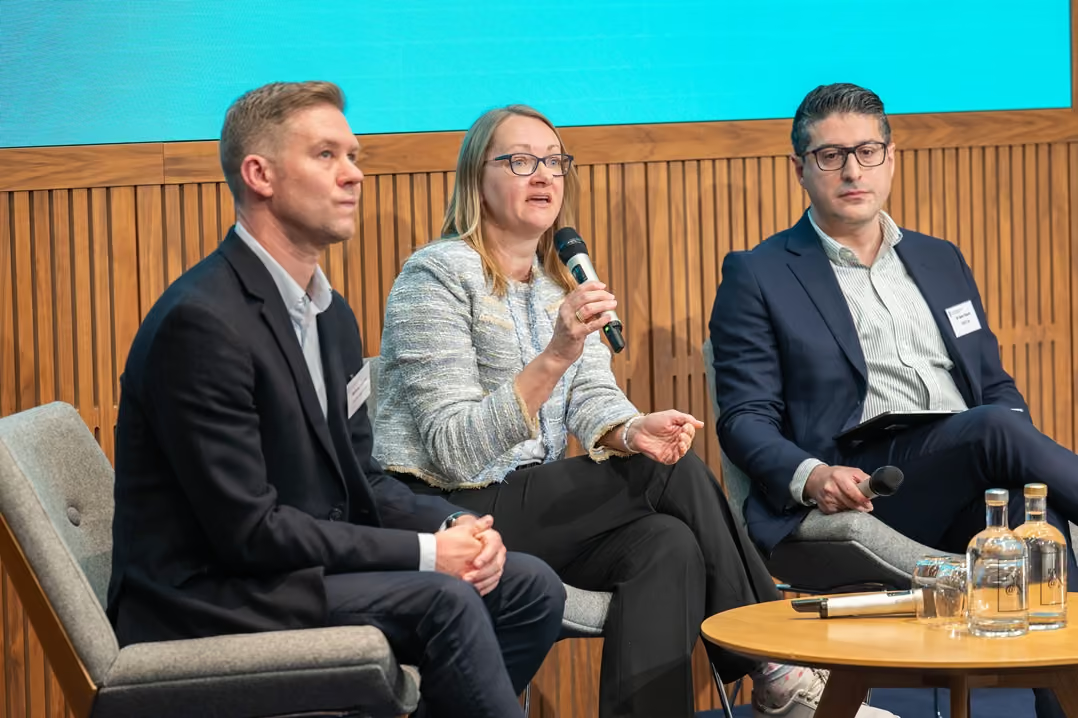
With College members specialising in digital pathology, we submitted written evidence to the House of Lords Science & Technology Committee’s consultation on ‘Innovation in the NHS: personalised medicine and AI’. We called for stronger NHS data and digital infrastructure to support reliable implementation and maintain patient confidence. College President Dr Bernie Croal was then invited to give oral evidence on our behalf, alongside the President of the Royal College of Radiologists, Dr Stephen Harden.
We established the Digital Strategy Board and are working in partnership with the British Society for Haematology (BSH) and LabMed UK, alongside representatives from the College’s Pathology Informatics Committee and Digital Pathology Sub-Committee.
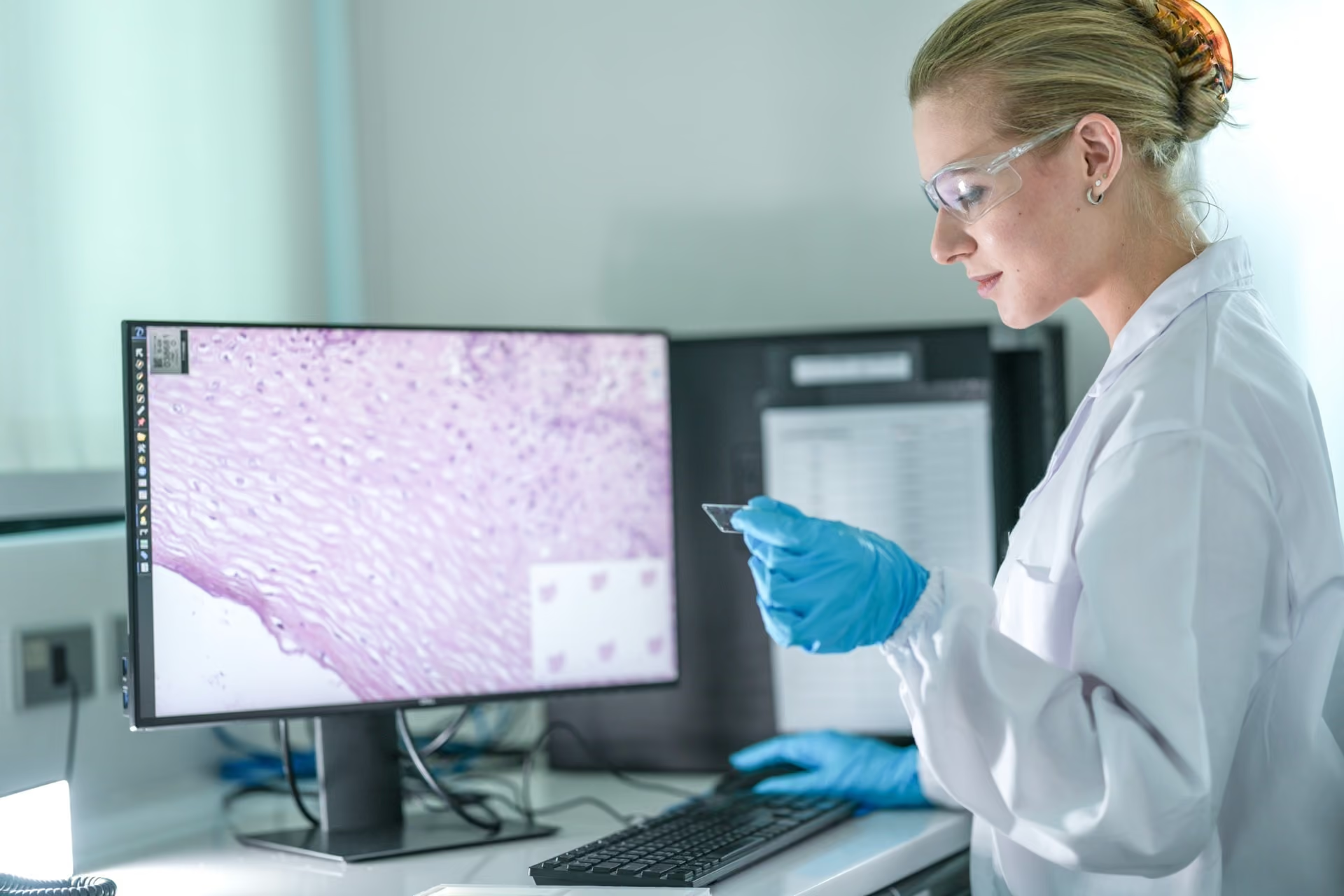
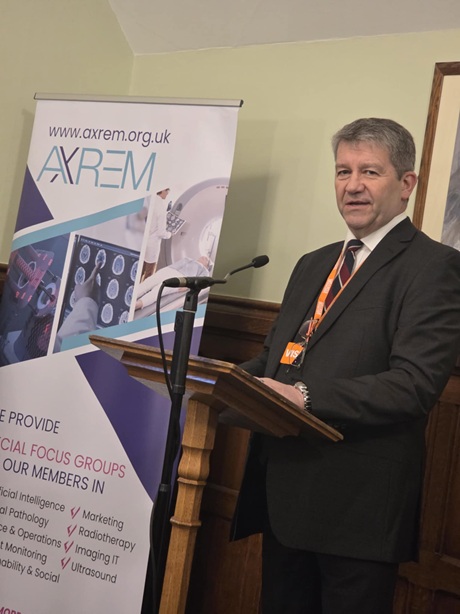
College fellows showed leadership in digital pathology at the AXREM Digital Pathology Manifesto launch at the Houses of Parliament, highlighting the development of key online resources like the Pathology Portal, and the College’s role in supporting implementation through standards, guidelines and education.
Our April 2026 Bulletin issue explored how digital innovation and AI are reshaping the clinical landscape and pathology services, showing the need for robust regulatory frameworks and integration into daily workflows.

Delivering change through collaboration
It takes a community to drive change. Convening expertise and supporting the next generation of consultants are key priorities for the College and all our communities and committees together help shape professional standards, influence national policy, support the workforce, drive innovation and improve patient care.
Our online communities are strengthening collaboration across medical examiner and pathology practice and our ME/MEO Hub – now with nearly 500 members – enables peer support and builds collective expertise. We have now launched the Haematopathology Hub and Infection Community, with a New Consultants Hub in development.


Strengthening pathology through partnership
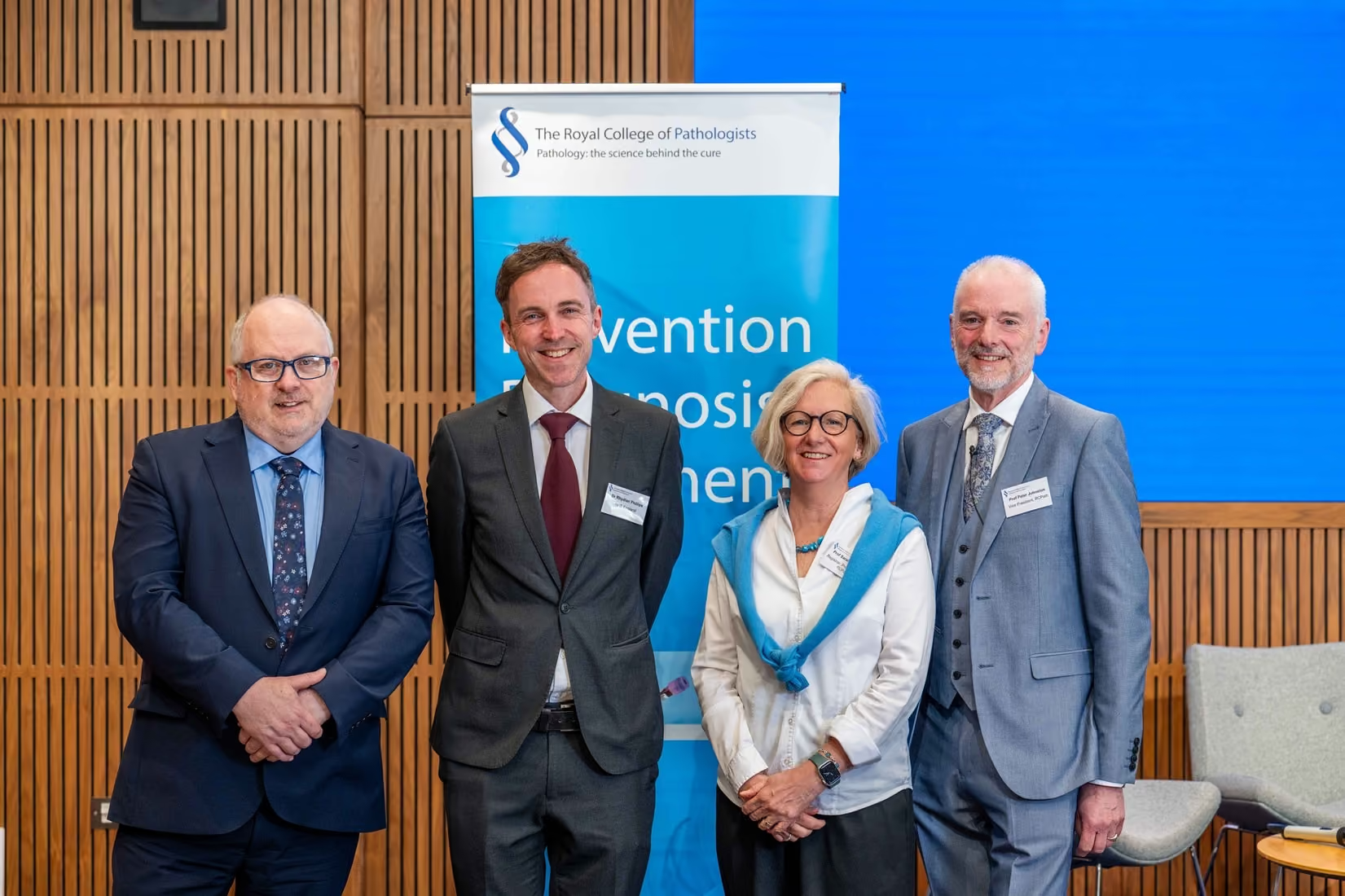
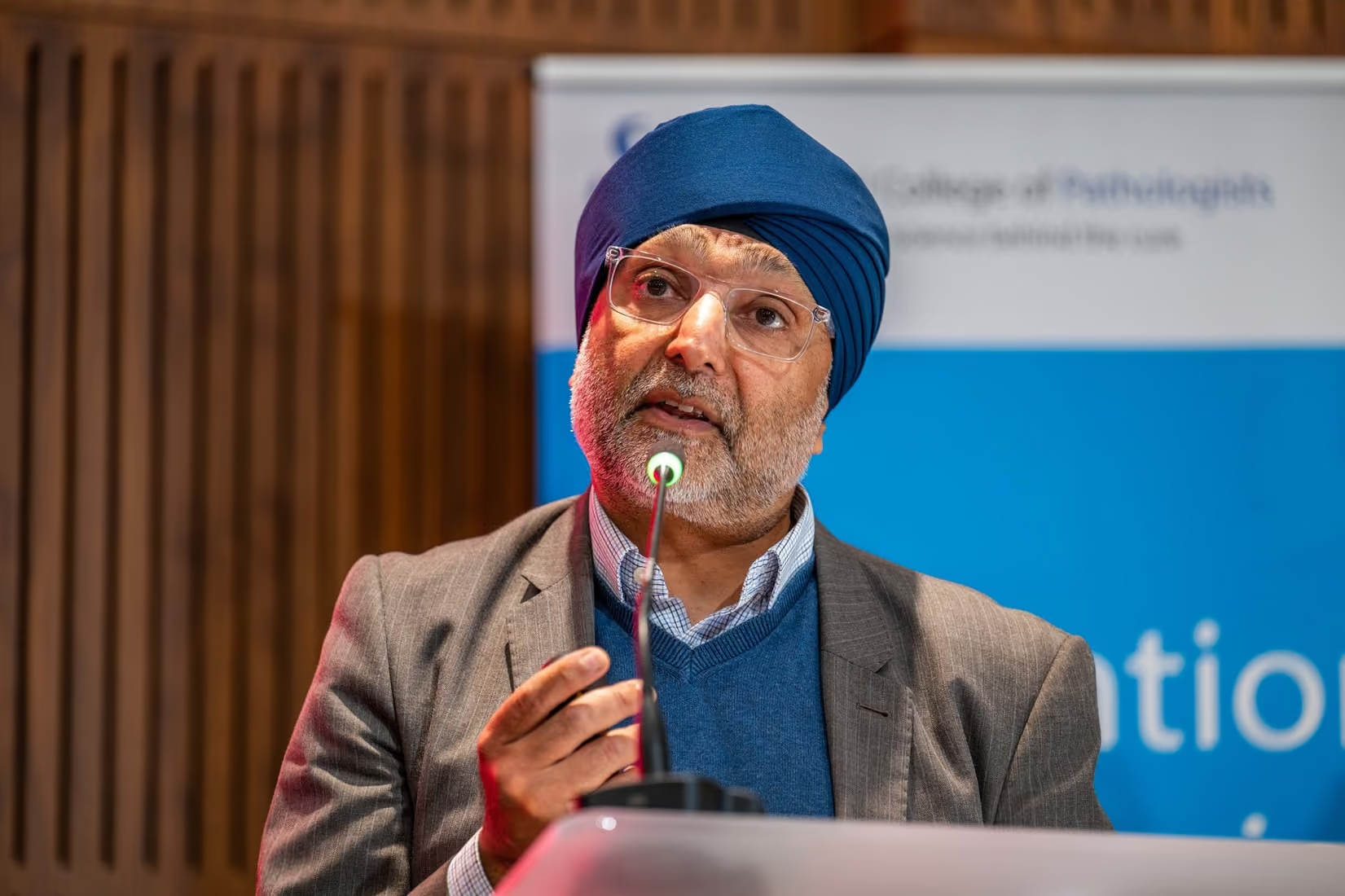
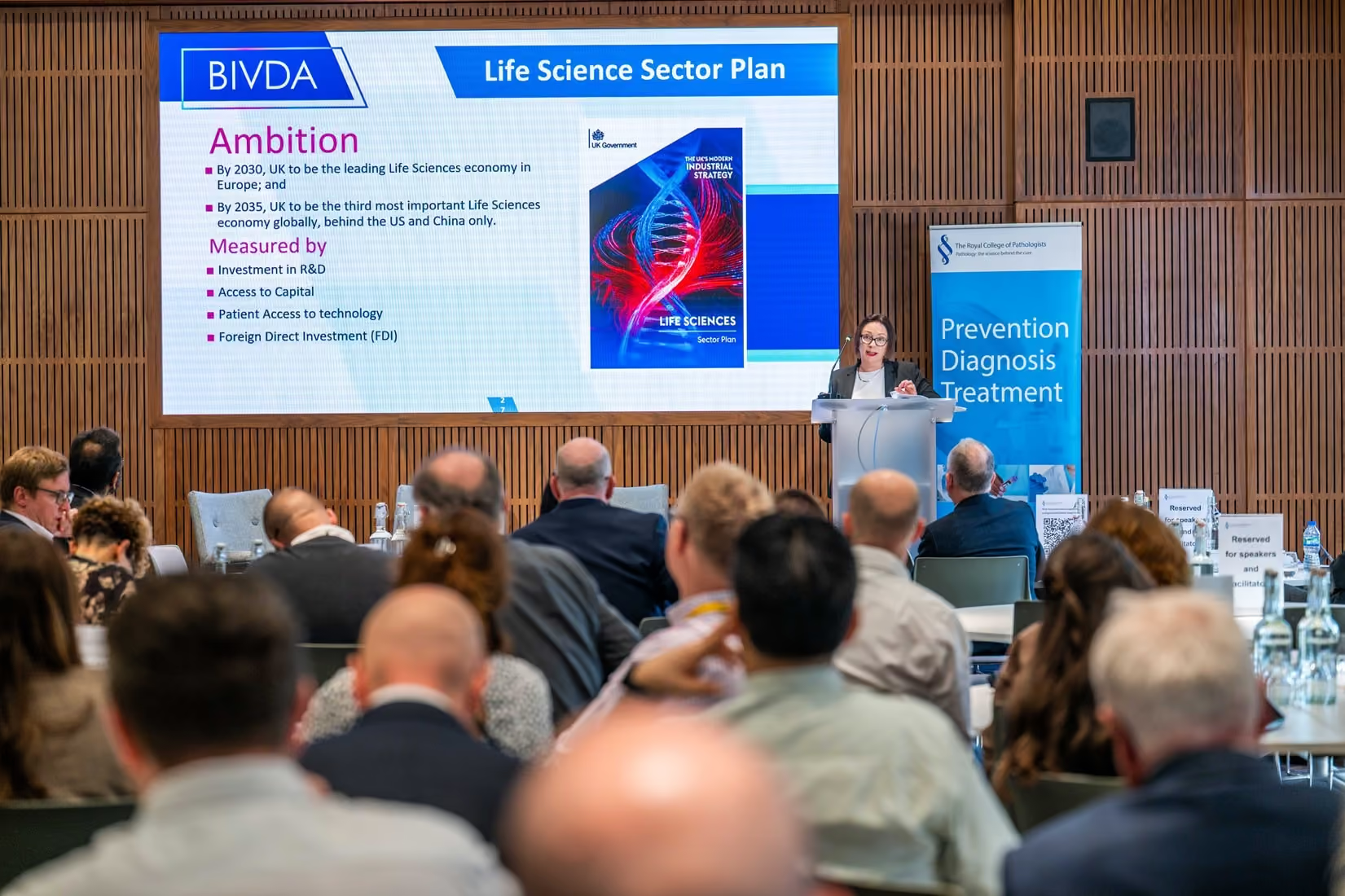
Our corporate engagement strategy builds links between the College and industry, government and other key stakeholders. Our work this year has reinforced our role as a trusted, convening partner for advancing pathology together.
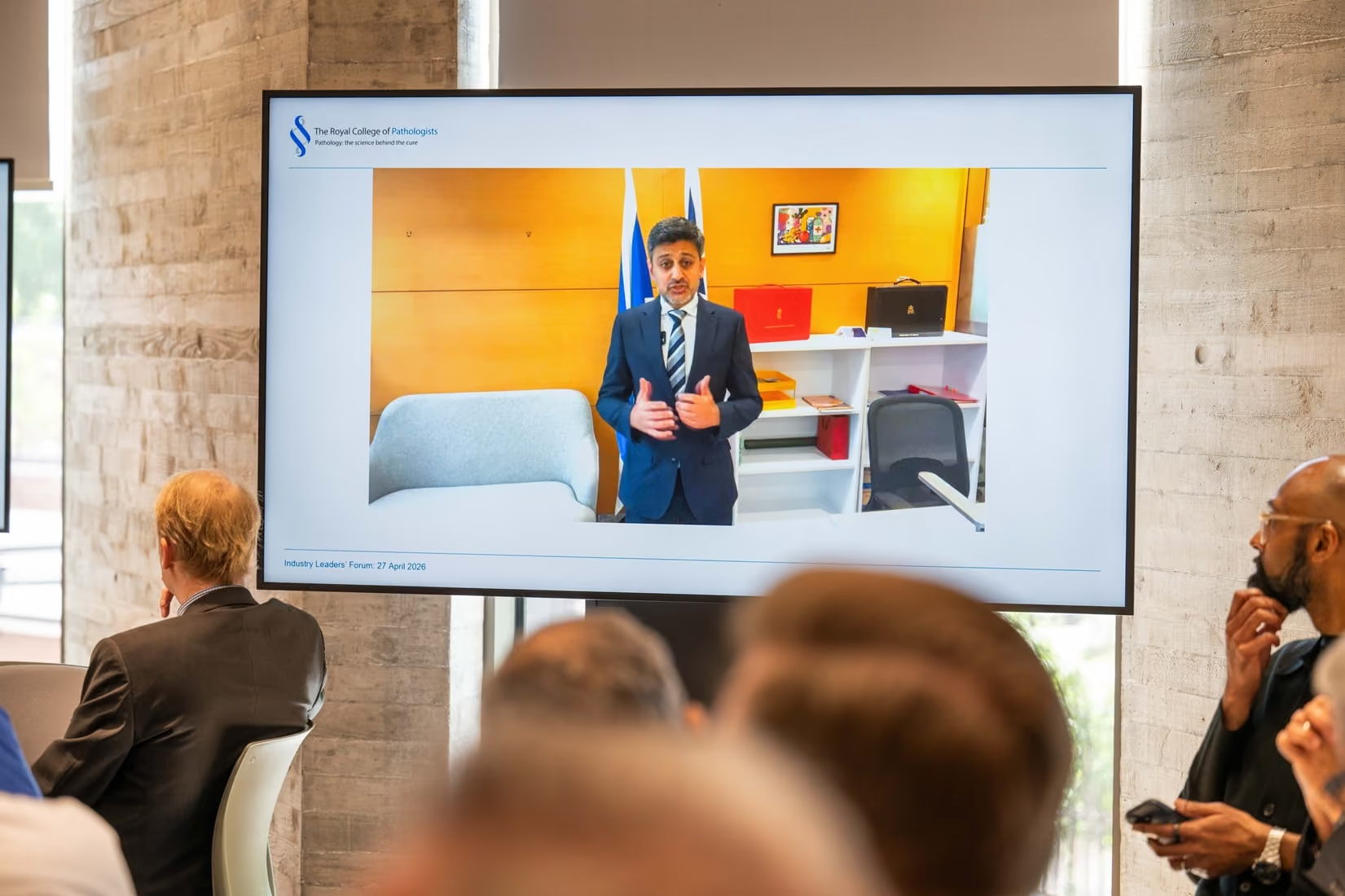
Our Industry Leaders’ Forum brought together diagnostics and pharmaceutical industries, government, trade associations and our membership to exchange insight and foster shared solutions to shared challenges.
Our hybrid event ─ RCPath Forum: Rapid genomic testing for cancer patients ─ brought together more than 250 delegates to engage in constructive discussion and debate.
Through our long-standing partnership with corporate member Roche Diagnostics, we delivered a high-impact global webinar series, attracting 240–450 attendees per session. The programme reinforced the pivotal role of pathology and in-vitro diagnostics in delivering the 3 shifts of the NHS 10-Year Health Plan.
We co-developed the Making every test count: Delivering the NHS 10-Year Health Plan through faster, fairer access to in-vitro diagnostics white paper, translating insights into practical recommendations and calls for action for policymakers and system leaders. This was widely disseminated to parliamentarians, NHS bodies, regulators and sector partners.
RCPath Consulting draws on the expertise of our members to provide tailored, expert support to NHS trusts facing specific service challenges, matching specialist knowledge to local needs. This approach extends the impact of our members’ expertise and ensures trusts benefit from practical, evidence-based advice grounded in real-world pathology practice.
Our committees – the heart of the College
Our 37 committees bring together hundreds of expert volunteers from across pathology and laboratory medicine. Committee Chairs also represent the College externally, providing expert advice to government, partner organisations and the media. We are grateful to every committee member and Chair – they’ve undertaken a huge body of work this year and the examples below represent only a proportion of the work undertaken.
New Consultants Committee
Working with College teams to establish the College’s online New Consultants Hub, ensuring early career consultants are better represented and have peer support, networking opportunities, practical resources and events to support career progression – including our annual New Consultants Day.
Cellular Pathology SAC
Progressed national staffing guidance, supported workforce planning, modernised specialist examinations and advanced new reporting qualifications. The committee also developed our full response to the National Cancer Plan.
Forensic Pathology SAC
Highlighted the risks associated with declining autopsy capacity and workforce shortages, helping to inform national discussions on training, service sustainability and patient safety, while also progressing new professional guidance.
Medical Examiners Committee
Continued to support the national medical examiner system through education, conferences – such as the Medical Examiner Annual Conference – and the development of good practice. This work has helped improve the quality and consistency of death certification while ensuring the voices of bereaved families are heard throughout the process.
Pathology Informatics Committee
Developing national guidance on the presentation of laboratory results to patients, helping to make diagnostic information and communication clearer and more accessible.
Dermatopathology Sub-Committee
Supported innovation in cancer diagnostics through its work on national genomic testing, updated cancer datasets and the safe adoption of artificial intelligence within dermatopathology services.
Genomics and Reproductive Science SAC
Played an important role in preparing the profession for the continued expansion of genomic medicine, including supporting the review of Higher Specialist Scientist Training, progressing national standards for genomic variant interpretation and helping to shape the future genomics workforce.
Histocompatibility and Immunogenetics SAC
Championed professional development by working with partner organisations to highlight gaps in continuing professional development funding for clinical scientists, strengthening the case for greater investment in this specialist workforce.
Joint Medical Microbiology and Medical Virology SAC
Influenced workforce and antimicrobial resistance policy and strengthened education and patient safety resources.