Shaping the future
Amplifying the voice of pathology
We bring together member insight and evidence to advocate with authority. We use our influence to drive national decision-making that reflects the realities of delivering diagnostic services, and that recognises and funds pathology as essential infrastructure for everyone's health.
We played an active role in shaping national policy, making sure debate and reform is informed by practising pathologists. We responded to consultations and calls for evidence, drawing on input from our committees, working groups and members.
We provided evidence for the 10-Year Workforce Plan, the draft service specification for the NHS Genomic Medicine Service, NHS Productivity Commission and Scotland’s Future Medical Workforce Project.
The College’s Northern Ireland Regional Council (NIRC) shaped discussions on the Pathology Blueprint Programme, directly engaging with the Department of Health and Blueprint team.
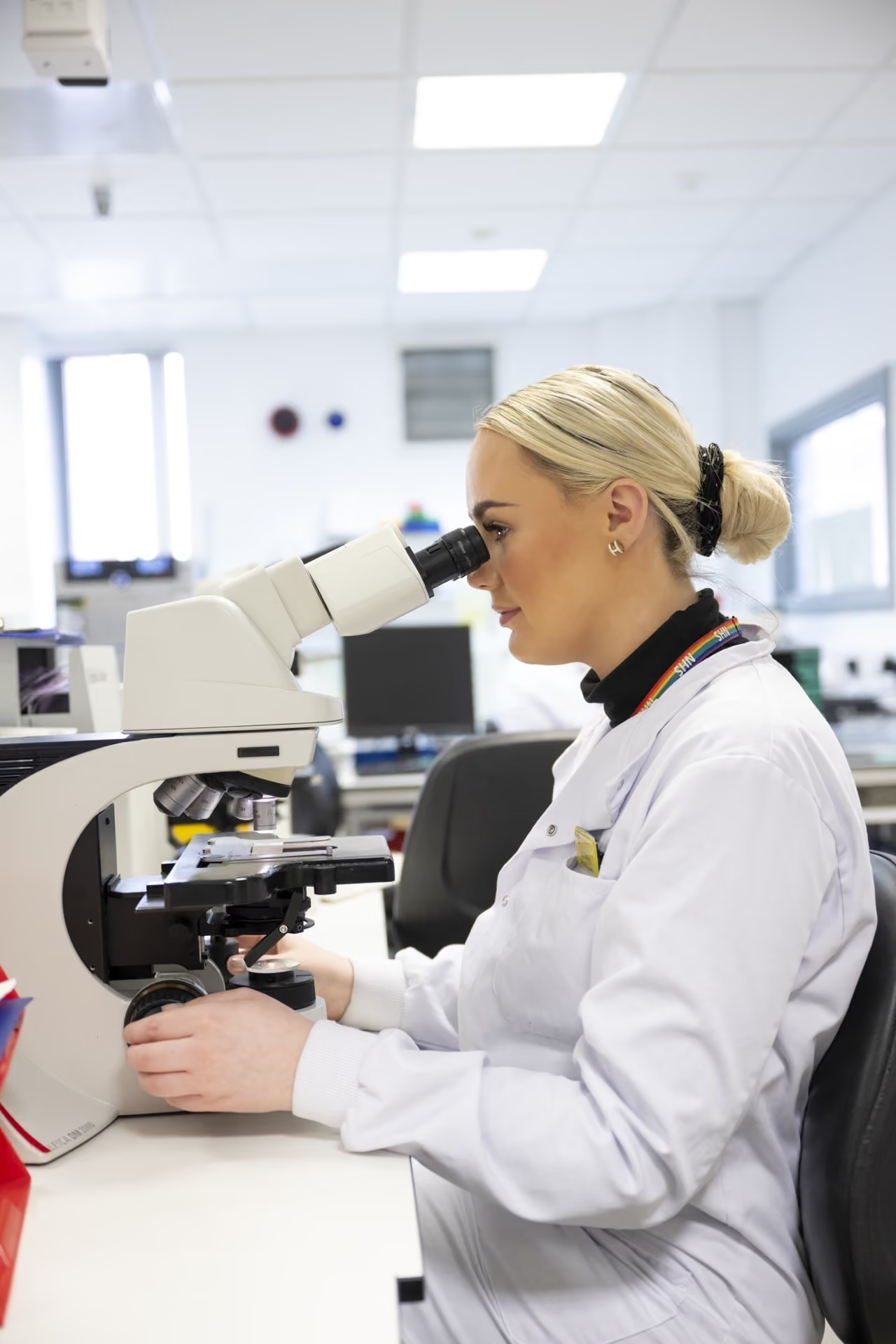
Following our response to the regulation of AI in healthcare call for evidence, the College was invited to a clinical engagement session with the Medicines and Healthcare products Regulatory Agency (MHRA) to help inform the work of the National Commission.

We campaigned for investment in pathology services, digital technology and workforce expansion in our response to a call for evidence ahead of the publication of the National Cancer Plan and our lobbying contributed to the government’s decision to increase specialty medical training places in histopathology.
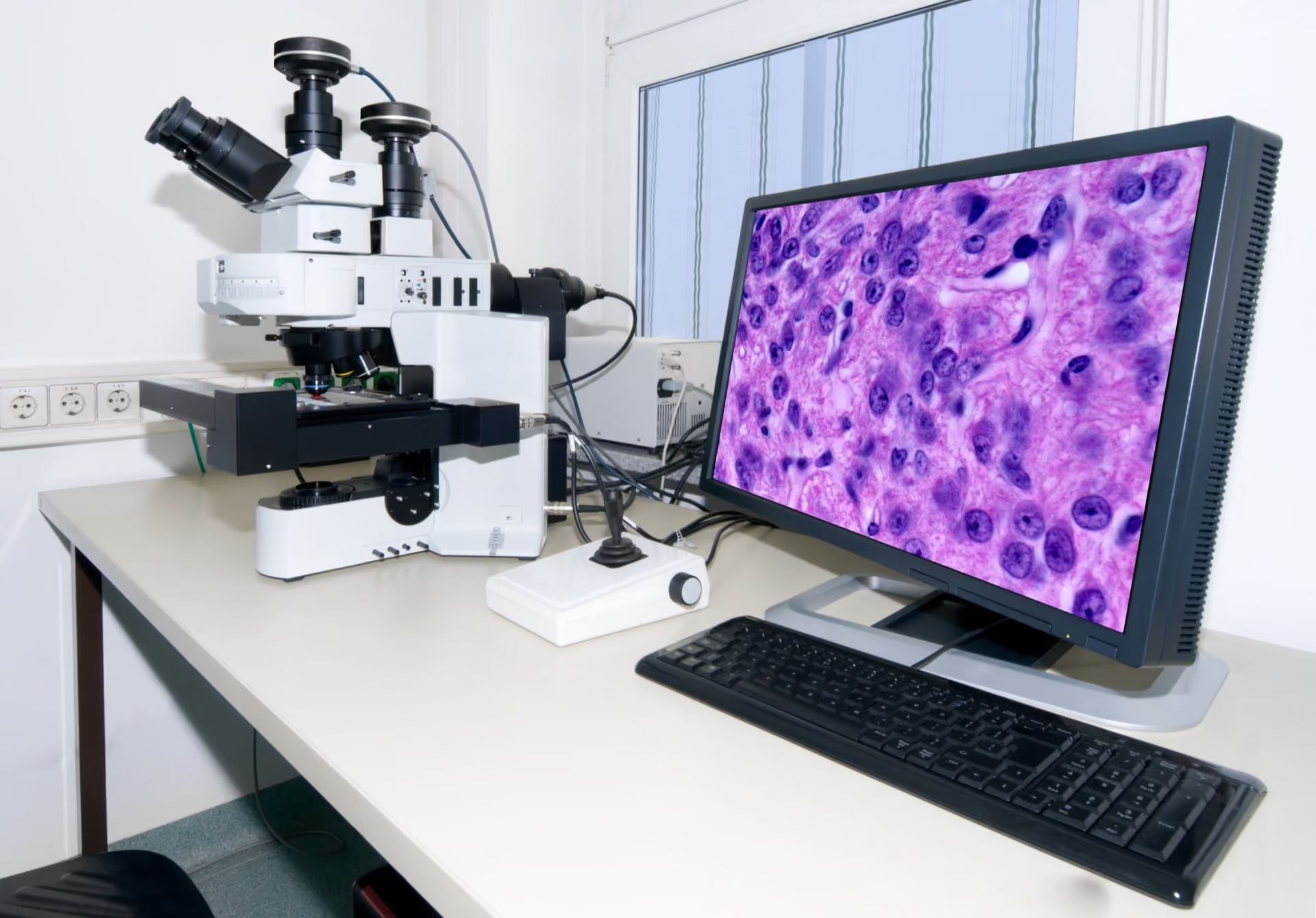
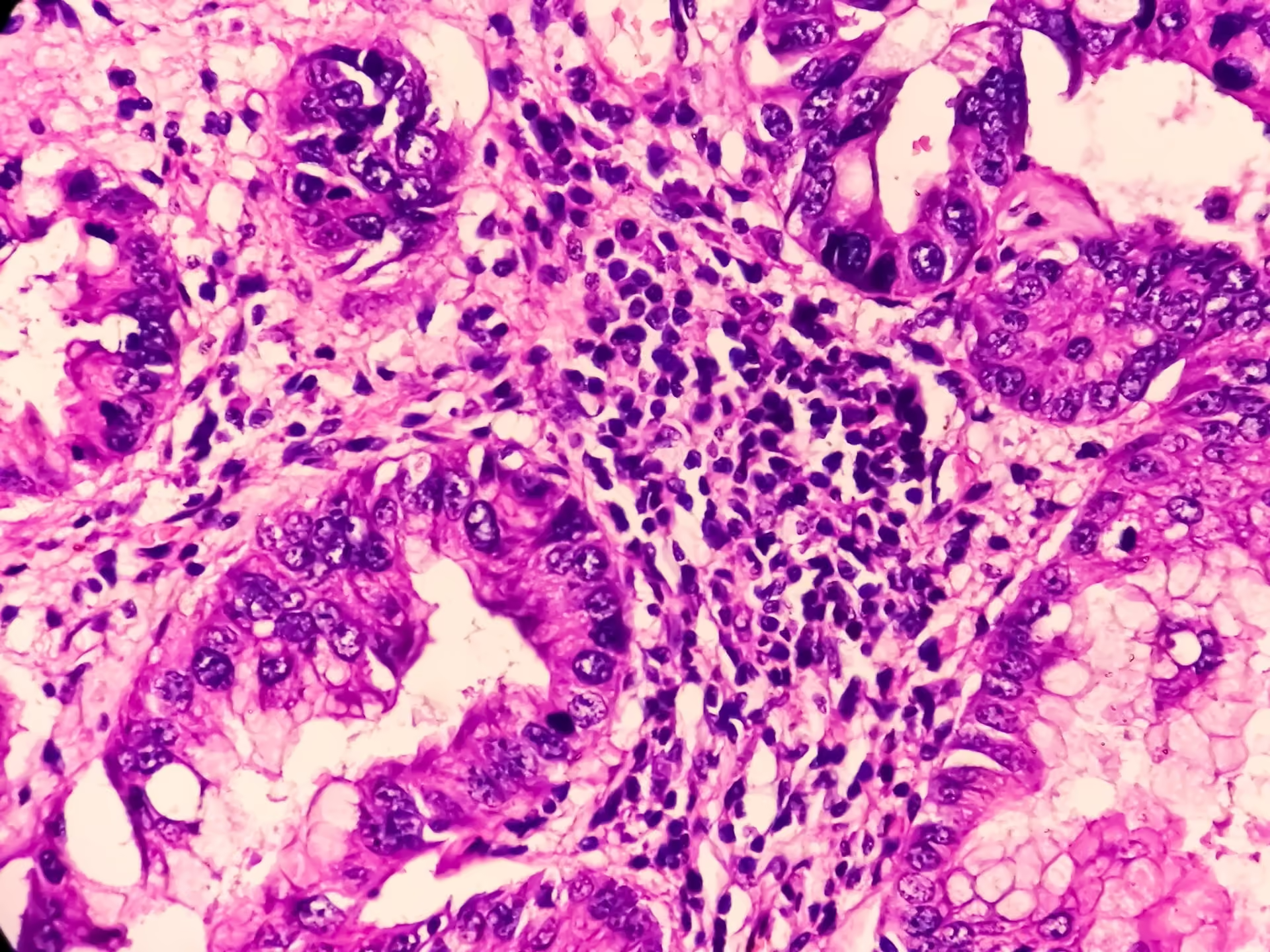
Working closely with College fellow, Professor Dan Berney, we campaigned for a nuanced approach to improving prostate cancer outcomes, outlining the need to focus screening efforts on high-risk groups while improving biopsy strategies and prognostic models. We were pleased to see the Department for Health and Social Care has announced funding to expand prostate cancer research and treatment, which includes extending the TRANSFORM screening trial to all eligible Black men, and the introduction of England's first targeted prostate cancer screening programme.
Pathology’s essential role in the future of healthcare
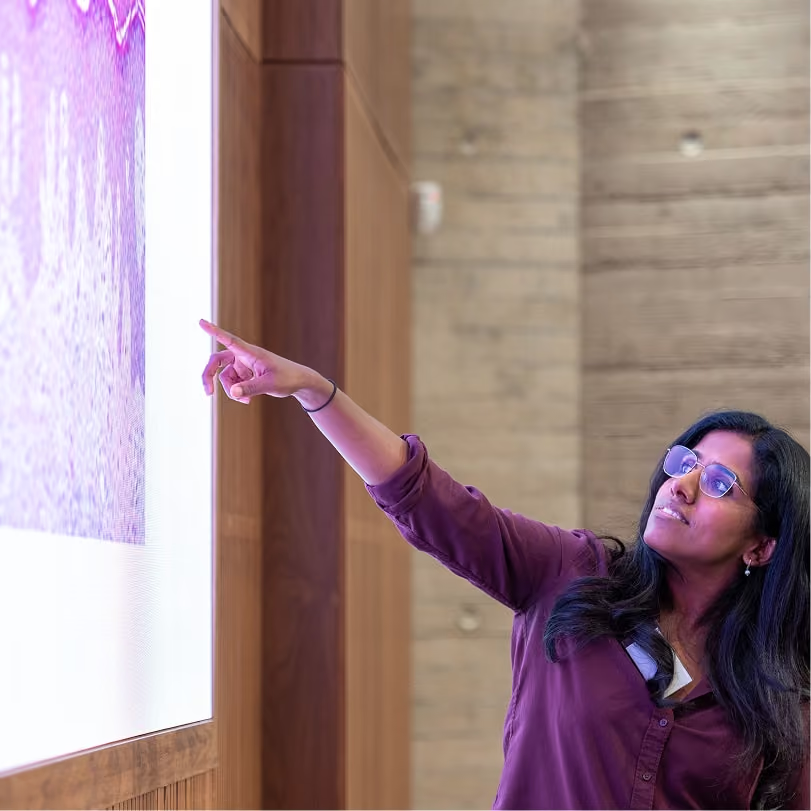
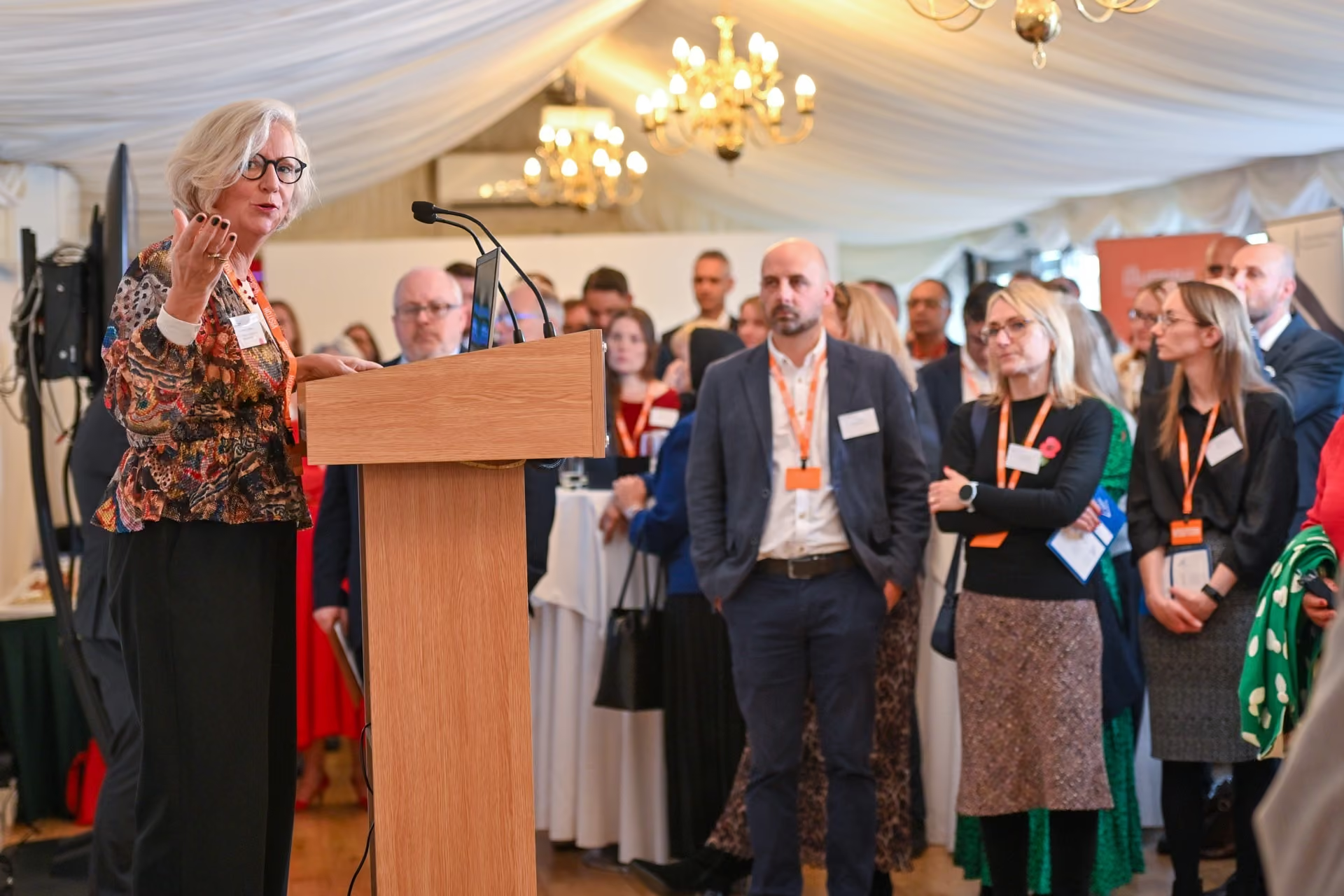
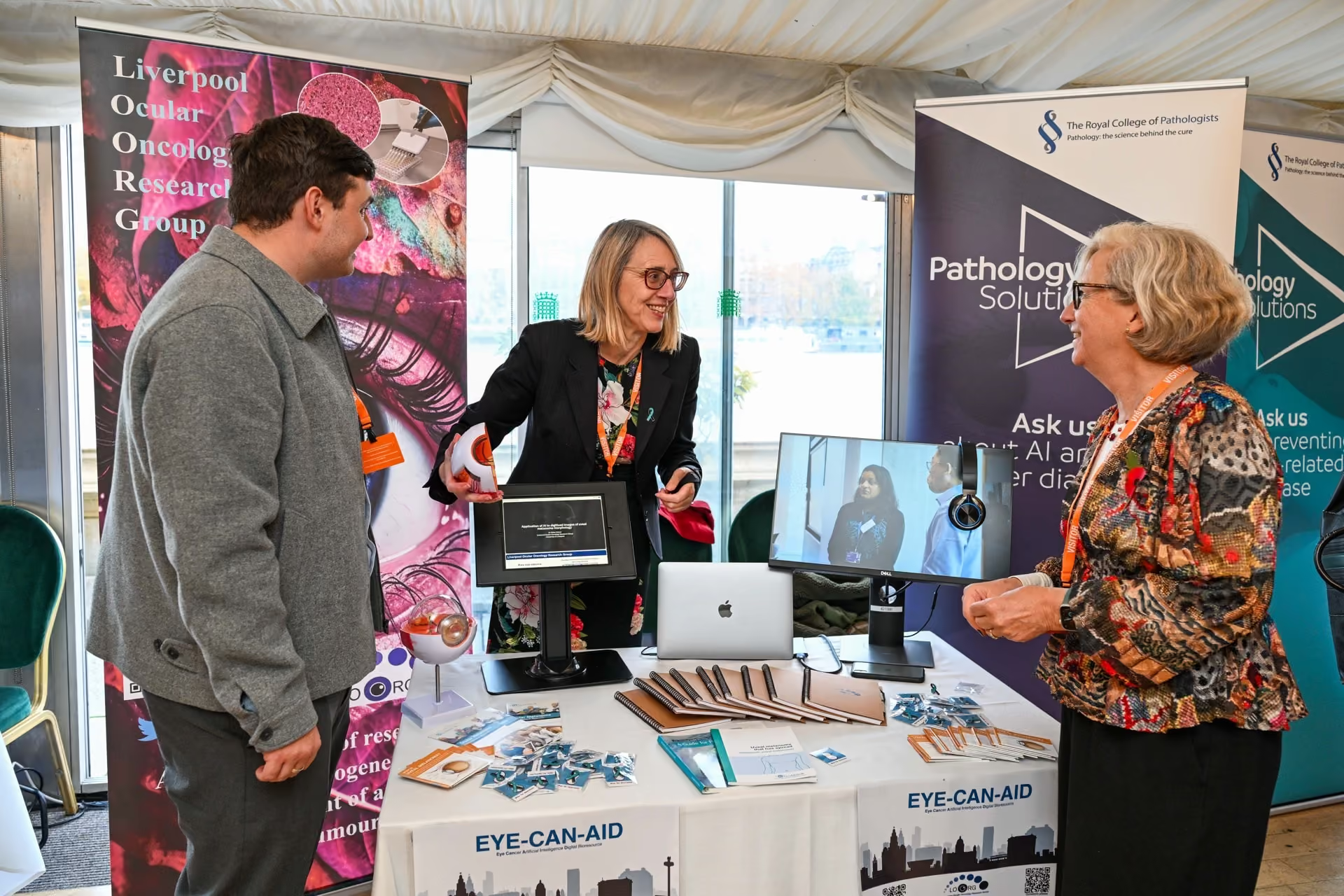
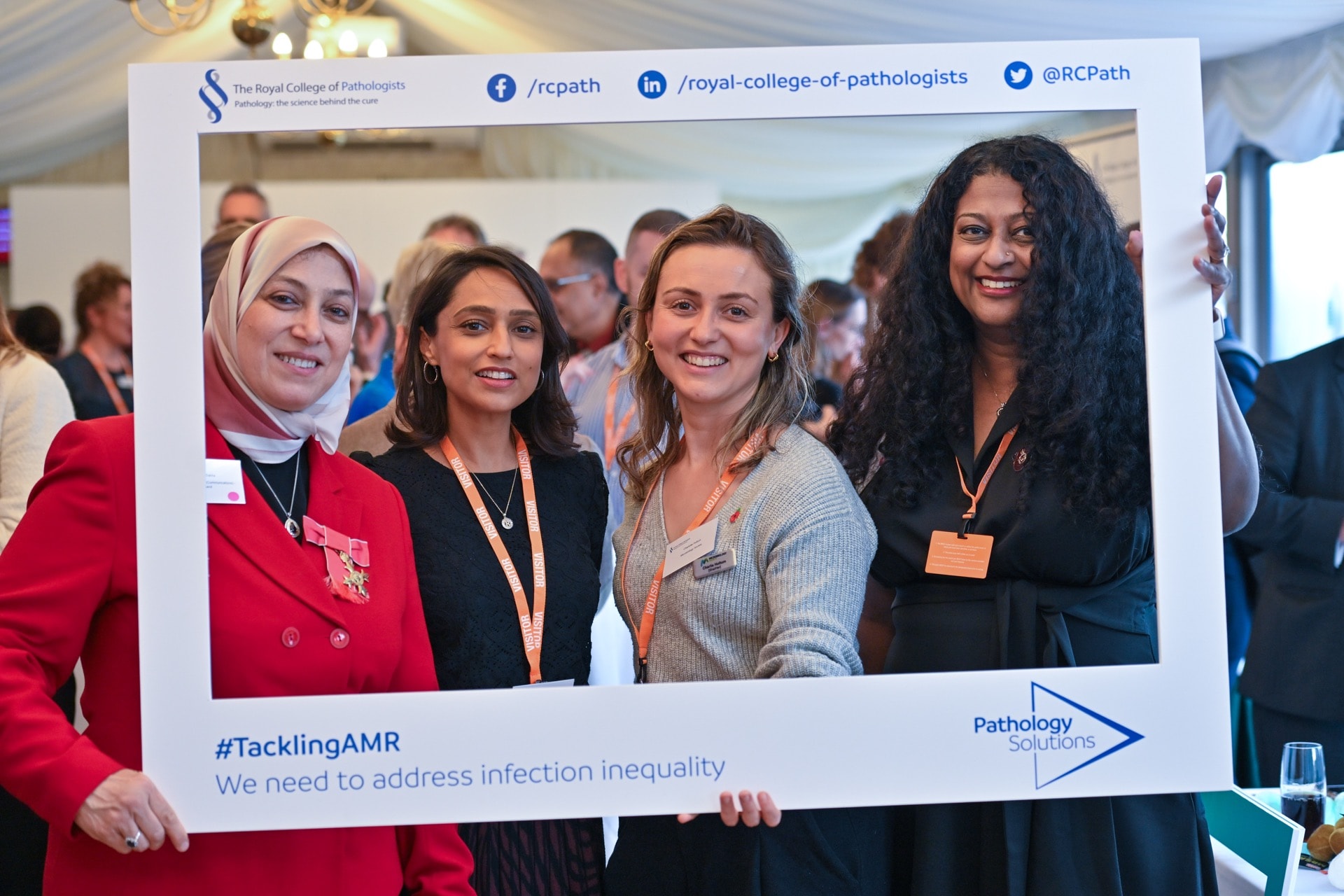
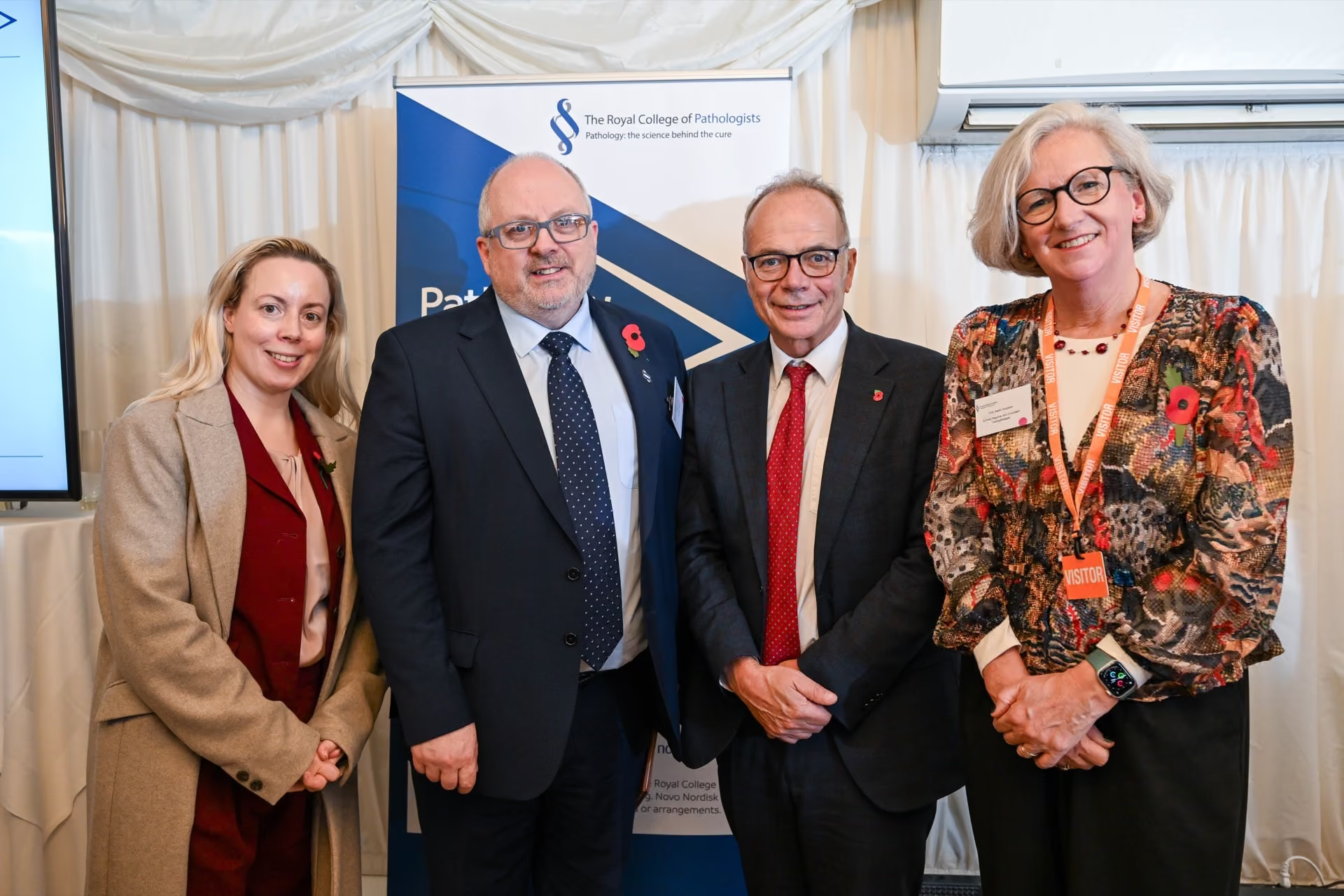
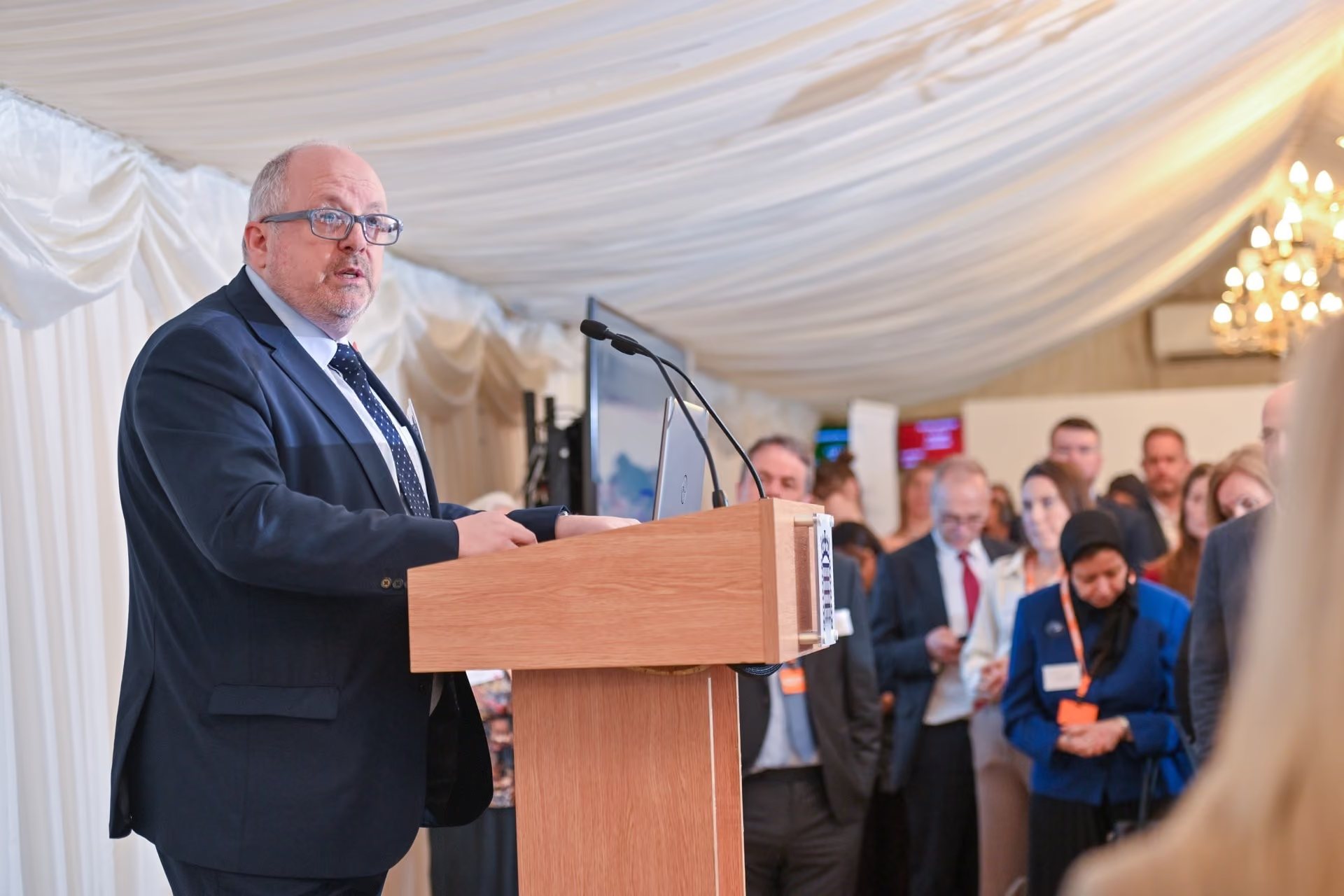
Our Pathology Solutions event at the House of Commons, hosted by Dr Simon Opher MP, Chair of the All-Party Parliamentary Health Group, showcased the central role of pathology in delivering the 10-Year Health Plan, giving MPs and delegates from charities, think tanks and industry first-hand insight into how pathology services underpin the future of the health system.
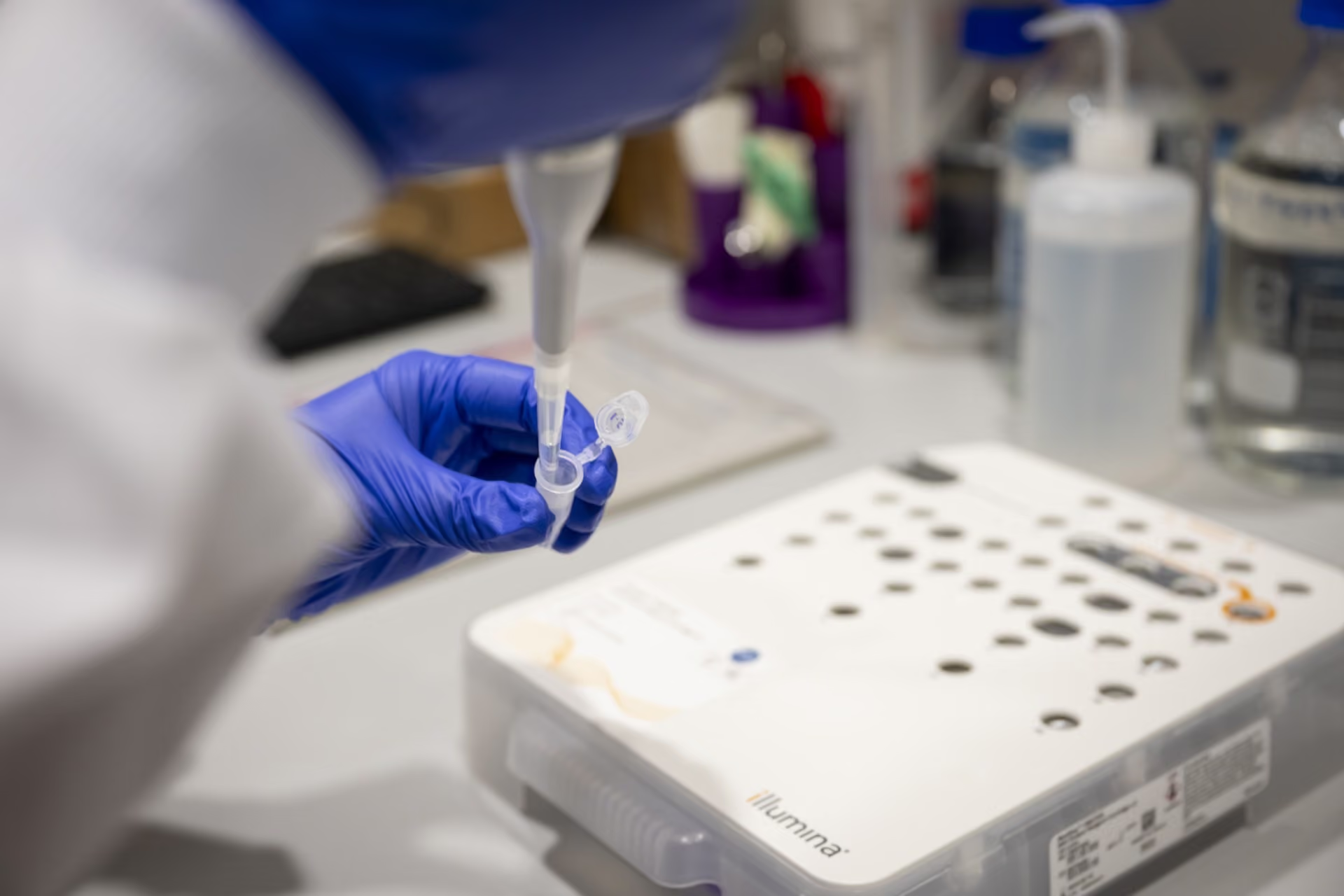
Our corporate members ─ including Roche Diagnostics, Illumina, Diagnexia and Novo Nordisk ─ played a pivotal role in the event, engaging directly with policymakers and showcasing advanced interactive exhibits. By demonstrating cutting-edge advancements in genomics, artificial intelligence and digital cancer pathways, the event reinforced the value of collaboration with industry in delivering faster, more accurate patient care across the health service.

Reducing inequality gaps
Every patient, regardless of where they live or who they are, should have access to high-quality pathology services – essential for timely diagnosis and confident treatment. Yet our members’ experience reveals differences in local capacity, workforce availability, digital pathology maturity and service configuration are causing significant access inequalities.
Our response to the Men's Health Strategy for England highlighted ethnicity-related differences in prostate cancer mortality and morbidity. We also highlighted the effect of deprivation on life expectancy, and the greater impact this has on men.
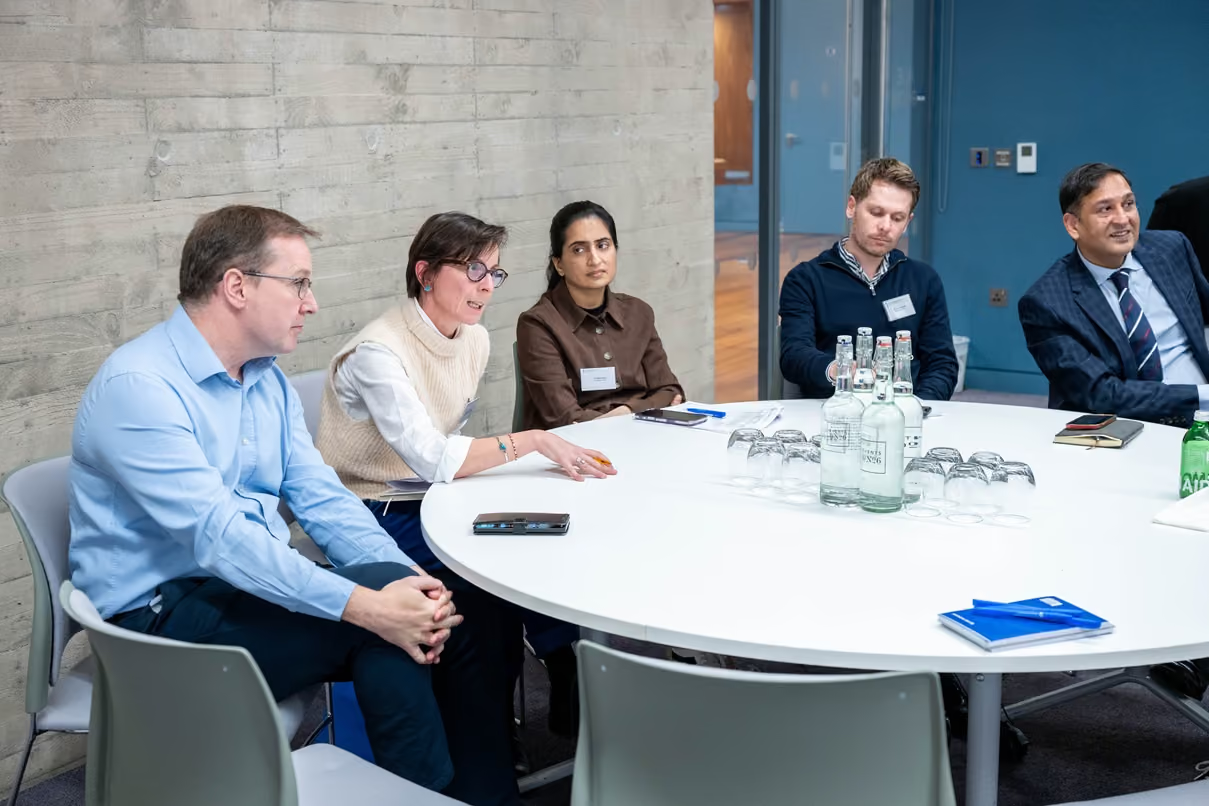
Our 2026 Celtic Nations Summit brought together representatives from Northern Ireland, Scotland and Wales, and College staff, to address shared and unique challenges across the nations. Discussions highlighted the need for flexible, locally tailored models of service delivery.
Our 2026 election manifestos for Scotland and Wales – shared with election candidates, and newly elected Members of the Scottish Parliament, Members of the Senedd and appointed Ministers – highlighted the effect of workforce shortages, particularly in rural and remote areas. We called for targeted recruitment incentives to tackle higher pathology vacancy rates and recruitment and retention challenges in Scotland and Wales, and greater support for regionally integrated services to deliver more equitable patient outcomes.
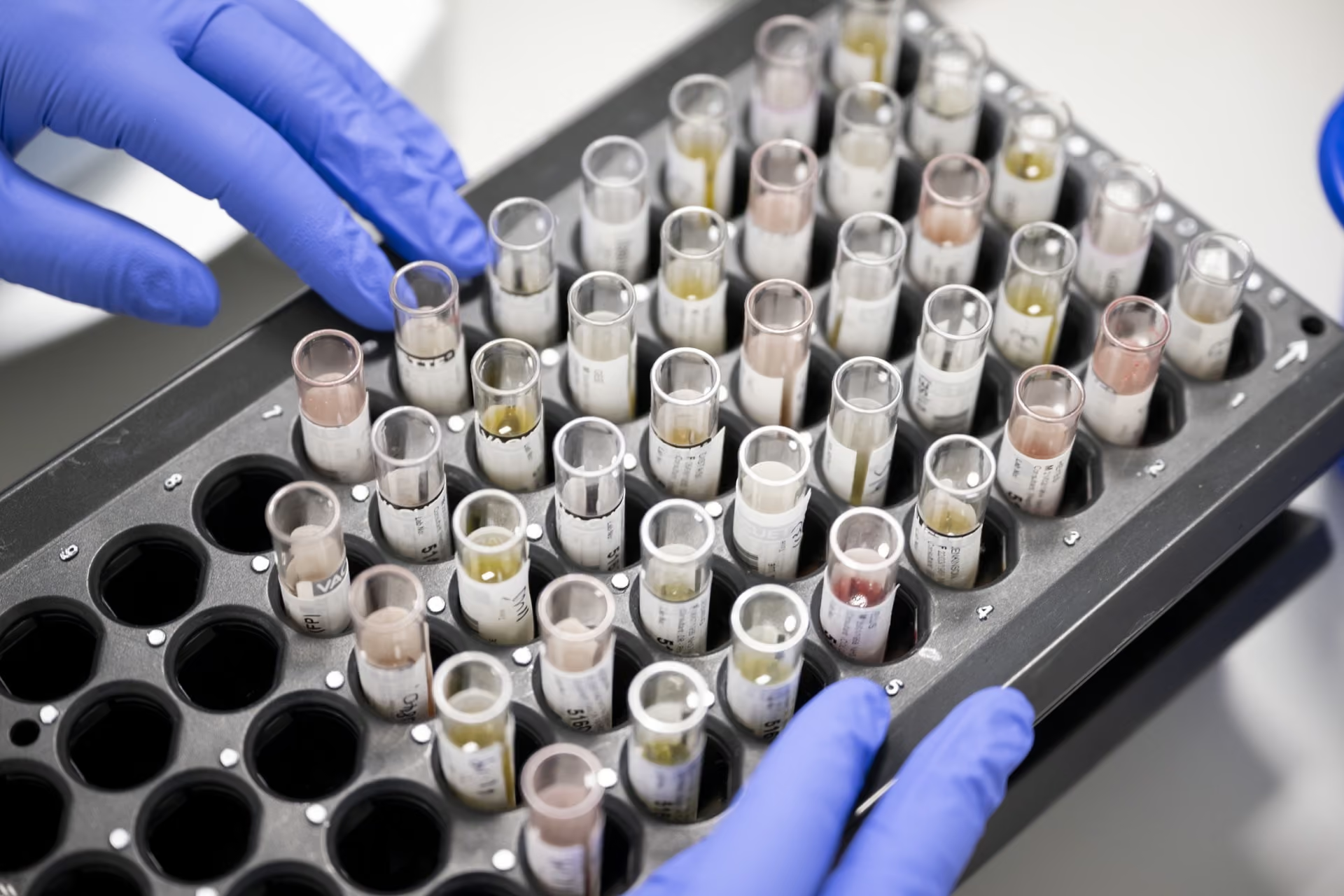
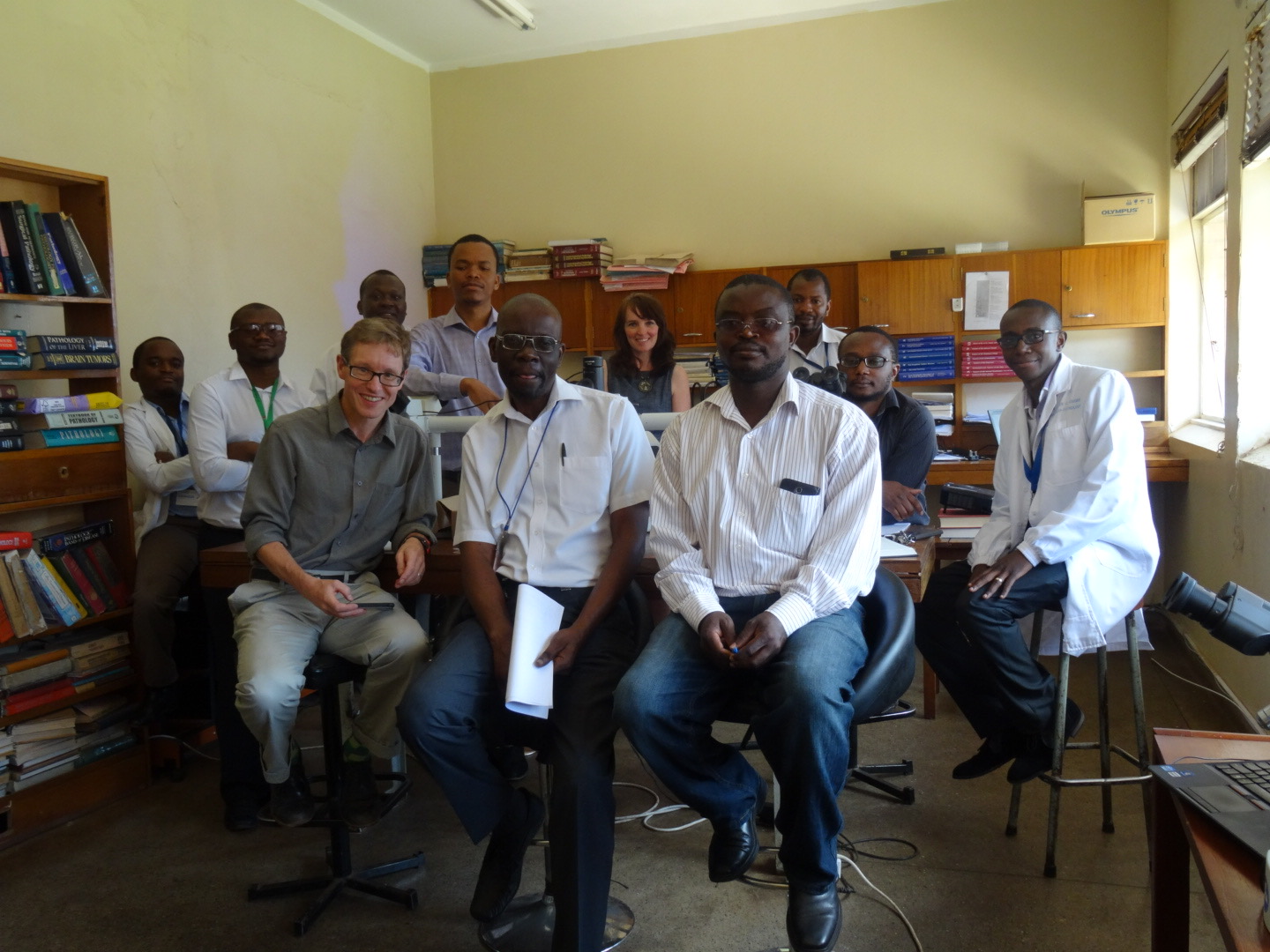
Internationally, we co-badge the sub-Saharan Pathology Resident Teaching Programme led by College fellow, Professor Richard Byers. Over 3 years, this online programme has expanded from Zambia and Kenya to across sub-Saharan Africa and, more recently, across South America and South-East Asia. Accessible, high-frequency, interactive, case-based sessions are tailored to regional challenges and recorded for access via the Pathology Portal or YouTube.
“Weekly haematopathology teaching has strengthened diagnostic skills among registrars and consultants in Zambia, enabling new pathologists to manage cases such as bone marrow biopsies with confidence. This has improved patient care, reduced costs and eliminated the need for patients to travel long distances.”
Dr Edgar Shilika
University Teaching Hospitals, Lusaka, Zambia